Buying a used car is one of the biggest financial decisions most people make, and it is also one of the easiest to get wrong. The car looks clean, the test drive felt fine, and the seller seems honest. But what you cannot see from the driver’s seat is the transmission that is starting to slip, the frame damage from an accident the seller did not mention, the head gasket that is about to fail, or the check engine code that was cleared right before you showed up.
A used vehicle can look great on the surface and still have thousands of dollars in hidden problems. That is why having an independent mechanic inspect the vehicle before you buy is not optional. It is the single most important step you can take to protect yourself from buying someone else’s problem.
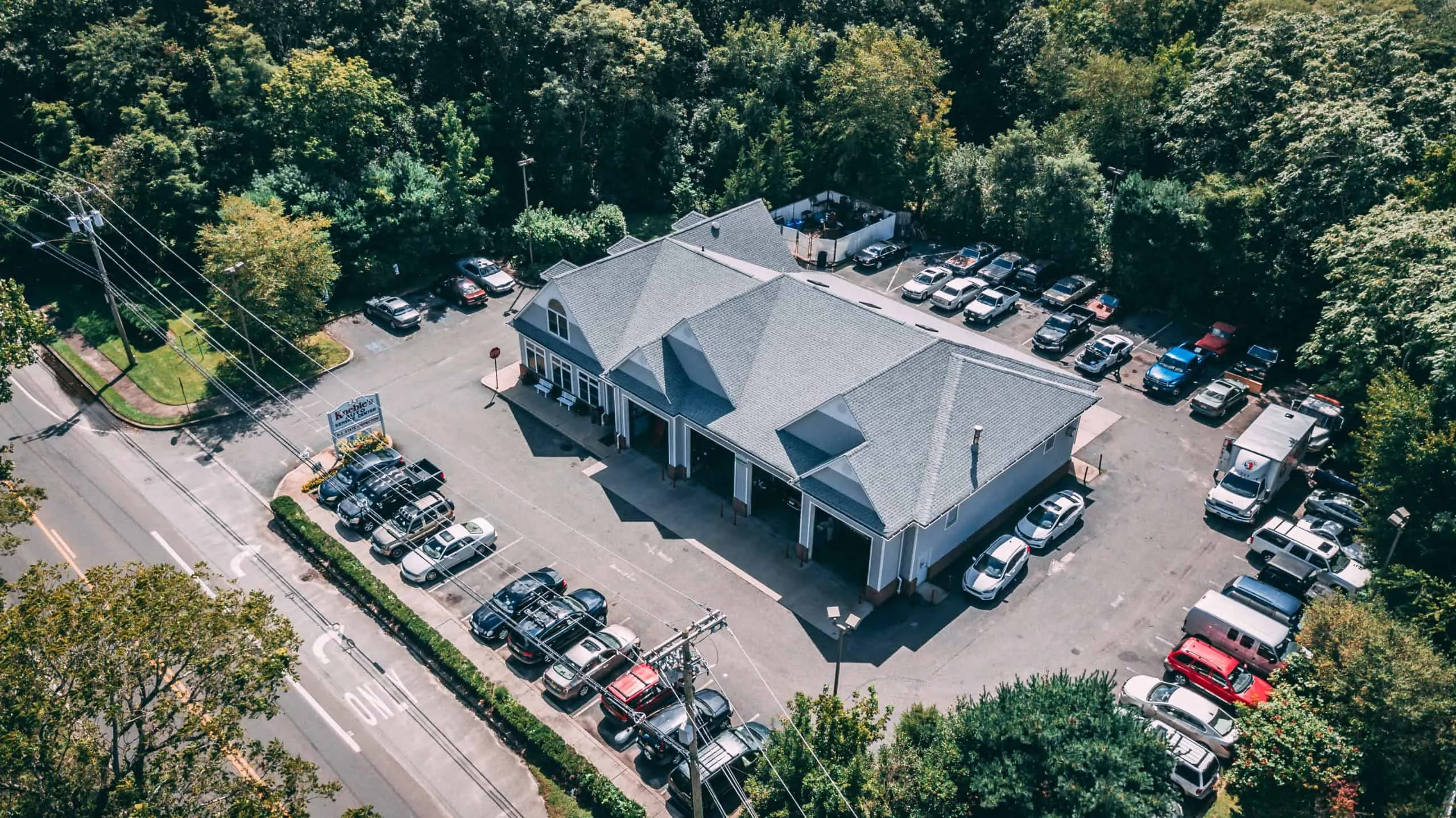
At Kneble’s Auto Service Center, we perform thorough pre-purchase vehicle inspections for buyers in the Mays Landing area and throughout Atlantic County. Our ASE-certified technicians will evaluate the vehicle’s mechanical condition, check for signs of accident damage, scan the computer system for trouble codes, and give you a clear, honest assessment of what you are actually buying.
What We Inspect During a Pre-Purchase Vehicle Inspection
Our pre-purchase inspection is designed to uncover the problems that a test drive and a visual walk-around will not reveal. Here is what our technicians evaluate:
Engine and Drivetrain
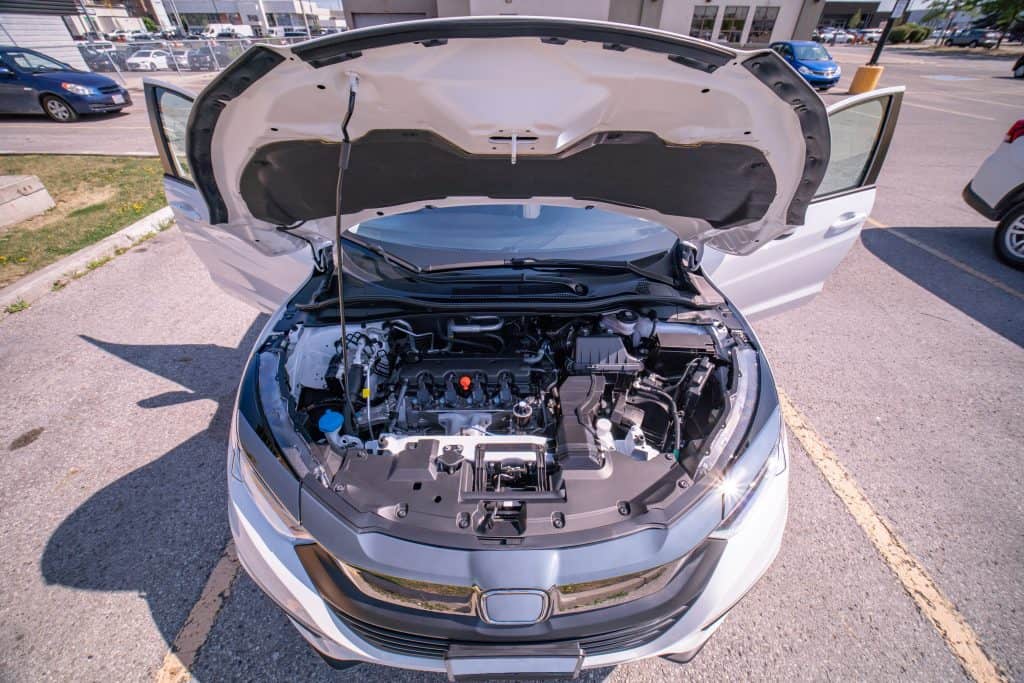
We check the engine for oil leaks, unusual noises, excessive exhaust smoke, and overall running condition. We inspect the condition of the engine oil and coolant for signs of contamination (milky oil can indicate a head gasket issue, for example). We check the transmission for proper shifting, fluid condition, and any signs of slippage or harsh engagement. If the vehicle is all-wheel drive or four-wheel drive, we inspect the transfer case and differential condition.
Our technicians use diagnostic equipment to scan the vehicle’s computer system for stored trouble codes. This is critical because sellers can clear a check engine light before a showing, but the underlying codes often remain in the system’s history. Nancy has produced a video specifically on this topic, “The Importance of the Check Engine Light When Purchasing Used Cars,” which explains why a diagnostic scan is one of the most important steps in evaluating a used vehicle.
Brakes
We measure brake pad thickness, inspect rotors for wear and warping, check brake lines and hoses for leaks, and evaluate the overall brake system condition. Brakes are one of the most common items that need replacement shortly after a used car purchase, and knowing their condition upfront gives you negotiating leverage.
Suspension, Steering, and Alignment
We inspect ball joints, tie rods, control arm bushings, struts, shocks, and other suspension components for wear. We check for any play in the steering. These components are expensive to replace and can indicate how the vehicle was driven, whether it saw rough roads, potholes, or curb strikes.
Tires and Wheels
We check tread depth and condition on all four tires. Uneven wear patterns tell a story: inside-edge wear suggests an alignment issue, center wear suggests overinflation, and outside-edge wear suggests underinflation or aggressive driving. Mismatched tires (different brands or sizes on different axles) can indicate that the vehicle’s tires were replaced inconsistently, which raises questions about overall maintenance habits.
Frame and Structural Inspection
We look for signs of frame damage, rust, previous collision repair, and structural compromise. Misaligned body panels, mismatched paint, welding marks, and uneven panel gaps are all indicators of previous accident damage. This is especially important in New Jersey, where salt and moisture can accelerate rust on undercarriage and frame components.
Exterior and Body Condition
We inspect the exterior for dents, scratches, paint condition, and signs of bodywork. Repainted panels can indicate previous collision damage. If the vehicle has dents that were covered up rather than properly repaired, that raises questions about what else might have been glossed over. After purchase, our service can address cosmetic dents without the cost of traditional bodywork.
Fluids
We check the condition and level of all major fluids: engine oil, transmission fluid, coolant, brake fluid, power steering fluid, and differential fluid. Fluid condition is one of the best indicators of how well a vehicle has been maintained. Dark, burnt-smelling transmission fluid, for example, can signal that the transmission is wearing internally even if it still shifts normally during a test drive.
Electrical System
We test the battery, check the charging system (alternator output), and verify that all electrical components are functioning: power windows, locks, mirrors, seats, lights, signals, horn, and any other electronic features. We also check the HVAC system to make sure heating and air conditioning work properly.
Exhaust System
We inspect the exhaust system for leaks, rust, and component condition. An exhaust leak can cause a failed NJ inspection and can also allow dangerous carbon monoxide into the cabin.
Why You Need an Independent Pre-Purchase Inspection
Sellers, whether private parties or used car dealerships, have a financial incentive to present the vehicle in the best possible light. That is not necessarily dishonest, but it means you are not getting a neutral assessment of the vehicle’s condition from the person trying to sell it to you.
An independent pre-purchase inspection gives you something the seller cannot provide: an unbiased opinion from a mechanic who has no stake in whether you buy the car or not. Our job is to tell you exactly what we find, good and bad, and let you make your own decision.
Here is what an inspection can do for you:
Identify deal-breakers before you buy. A cracked frame, a failing transmission, or a head gasket leak can turn a seemingly good deal into a money pit. Knowing about these issues before you hand over a check is invaluable.
Give you negotiating leverage. If the inspection reveals that the vehicle needs new brakes, tires, or other maintenance, you have concrete evidence to negotiate the price down. A written inspection report from a certified mechanic carries weight in a negotiation.
Set your maintenance expectations. Even if the vehicle checks out overall, the inspection will tell you what is coming: tires that have another 10,000 miles, brakes that are at 40%, and a battery that is getting weak. Knowing what you will need to spend in the next year helps you budget for ownership costs.
Protect you from undisclosed accident damage. New Jersey’s Lemon Law provides some protections for used car buyers, but it does not cover everything, and it is much easier to avoid a problem vehicle than to fight a legal battle after the fact. An inspection can catch accident damage that does not show up on a vehicle history report.
What About a Vehicle History Report?
Vehicle history reports from services like Carfax or AutoCheck are useful, but they are not a substitute for a physical inspection. History reports rely on reported data, and not all accidents, repairs, or title issues are reported. A clean history report does not mean a clean car.
We have seen vehicles with clean history reports that showed clear signs of previous collision repair when put on a lift. We have seen vehicles with no reported maintenance that were actually well-maintained by owners who used independent shops that did not report to Carfax. The history report gives you part of the picture. The inspection gives you the rest.
Use both. Run the history report first to screen for obvious red flags (salvage title, flood damage, odometer rollback), and then bring the vehicle to us for a physical inspection to verify the full condition.
How the Pre-Purchase Inspection Process Works
Step 1: Contact us. Call us at (609) 625-3286 or to arrange your inspection. Let us know the year, make, and model of the vehicle so we can prepare.
Step 2: Bring the vehicle in. You can bring the vehicle to our shop at 5473 Somers Point Road in Mays Landing. If you are buying from a dealership, ask them to allow a pre-purchase inspection at an independent shop. Any reputable seller will agree to this. If a seller refuses to allow an independent inspection, that is a significant red flag.
Step 3: We inspect the vehicle. Our technicians will perform a comprehensive evaluation covering engine, transmission, brakes, suspension, tires, electrical, fluids, exhaust, body, and frame. We will also scan the computer for stored diagnostic trouble codes.
Step 4: We give you a report. We will walk you through everything we found, explain any concerns, and give you an honest assessment of the vehicle’s overall condition. You will know what the vehicle needs now, what it will likely need soon, and whether there are any issues that should make you walk away.
Step 5: You decide. The decision to buy is yours. We are here to give you the information you need to make that decision with confidence.
Can I Get a Pre-Purchase Inspection on Any Vehicle?
We inspect domestic and foreign vehicles of all makes and models. Whether you are looking at a Honda Civic, a Ford F-150, a BMW 3 Series, a Toyota Camry, or anything in between, our ASE-certified technicians have the training and equipment to evaluate it.
We also work on luxury and European vehicles including BMW, Mercedes, Audi, Volkswagen, Land Rover, Porsche, Jaguar, and Mini Cooper. If you are considering a higher-end used vehicle, a pre-purchase inspection is even more important because repair costs on these vehicles are significantly higher if problems are discovered after the sale.
If you are purchasing a vehicle from a private seller, a used car dealership, or even considering buying a vehicle at auction, we recommend a pre-purchase inspection in every scenario. The cost of the inspection is a fraction of the cost of a major repair you did not see coming.
Frequently Asked Questions About Pre-Purchase Vehicle Inspections
Contact us for current pricing. The cost of a pre-purchase inspection is a small investment compared to the thousands of dollars a major undisclosed problem could cost you after the purchase.
A thorough pre-purchase inspection typically takes about 60 to 90 minutes, depending on the vehicle and what we find. We are able to accommodate those who desire to wait as we feature a comfortable waiting area complete with TV, complimentary refreshments, a library, a desk, and a charging station. And yes, we even have free Wi-Fi!
Walk away. Any seller who refuses to let you have the vehicle inspected by an independent mechanic is hiding something. This applies to both private sellers and dealerships. A legitimate seller has nothing to lose by allowing an inspection.
Absolutely. Most reputable dealerships will allow you to take the vehicle to an independent mechanic for a pre-purchase inspection. Some may require a deposit or ask you to sign a test-drive agreement, but allowing an inspection is standard practice. If a dealership pushes back, consider shopping elsewhere.
Yes. We will document our findings so you have a clear record of the vehicle’s condition at the time of inspection. This report is also useful for negotiating the purchase price if we identify issues that need to be addressed.
We will give you a clear, honest assessment of the vehicle’s mechanical condition and let you know about any concerns. The decision to buy is always yours. Our role is to make sure you have all the information you need to make that decision confidently.
We can inspect the general mechanical and electrical systems on hybrid and electric vehicles, including brakes, tires, suspension, steering, body condition, and computer diagnostics. For battery pack and high-voltage drivetrain evaluation on fully electric vehicles, a specialized EV inspection may be needed.
That depends on the severity. Minor issues like worn brakes or aging tires can be factored into your negotiating price. Major issues like frame damage, transmission failure, or head gasket leaks are usually deal-breakers. We will help you understand the significance of whatever we find so you can make an informed decision.
Schedule Your Pre-Purchase Vehicle Inspection
At Kneble’s Auto Service Center we always want to make the process of getting your car serviced as convenient as possible. If you need pre-purchase vehicle inspection, call us at (609) 625-3286 or schedule an appointment online.
We are able to accommodate those who desire to wait as we feature a comfortable waiting area complete with TV, complimentary refreshments, a library, a desk, and a charging station. And yes, we even have free Wi-Fi!
Please note that we offer a shuttle service within a 10-mile radius of the shop. This includes Estell Manor, Somers Point, Cologne, and Galloway and beyond!
Where to Get Pre-Purchase Vehicle Inspection?
Our Address
5473 Somers Point Road
Mays Landing, NJ 08330
Our Hours
Monday – Friday: 8:00am – 5:00pm
Saturday:
8:00am – 4:00pm
Sunday: Closed