Wheel Bearing Replacement in Mays Landing, NJ

Wheel bearing diagnosis and replacement in Mays Landing for humming, growling, vibration, ABS faults, and wheel-end noise. Left-vs-right turn test, rotate-by-hand check, Opus scan tool scan for C0035/C0040/C0045/C0050 codes, and both press-service AND hub-assembly paths in-house. ASE-certified Certified.

ASE-certified AAA Approved Facility NJ Inspection Station Family-Owned Since 1981 4.8-Star Google Rating

Start here

A bearing job that confirms the bearing first

A bearing quote at a chain shop usually follows the same script: hear the hum, raise the car, grab the wheel at twelve and six, feel for play, write up a hub assembly. That script catches the obvious failures and misses everything that sounds like a bearing but is not one. The wheel-end confirmation runs before any quote so the bill matches what was actually wrong.

What this covers

  • Sweep test (slow left-right) isolates the loaded side
  • Endplay check at the hub before the bearing is condemned
  • Hub assembly or press-in bearing depending on platform
  • Torque spec from the service manual on every axle nut
  • ABS tone-ring check on bearings with integrated sensors

When to schedule

  • Humming or growling that gets louder with road speed or under cornering load
  • Wheel feels loose at the 12 and 6 positions when you grab it and rock it back
  • ABS or stability control warning light on the dash after a wheel-speed code

Why Kneble's

  • ASE certification
  • Bearing press and hub puller on site, not borrowed
  • Torque wrench check on every axle nut at install
  • AAA Approved Auto Repair, independently audited
  • Family-owned in Mays Landing since 1981, woman-owned

Service process

The four-step wheel bearing process

Four wheel-end symptoms get blamed on bearings every week; three of them are something else. The confirmation check below takes 15 to 30 minutes and is the cheapest insurance against paying for a hub assembly that was never going to fix the problem.

  1. 01

    Inspect

    Road test runs the left-vs-right turn test first. Turn the wheel left and weight transfers to the right side; if the growl gets louder turning left, the right side is the bad side. If the growl is the same in both directions, the noise is probably not a bearing. Test costs zero parts and decides which corner gets the close look on the lift.

  2. 02

    Diagnose

    Wheel comes off the lift and the technician spins the hub by hand. A good bearing turns silently. A bad bearing grates, clicks, or feels rough through the spindle. Wheel back on, grab at twelve and six, rock for play; a hand on the lower control arm separates ball-joint play from bearing play. Opus scan tool pulls ABS codes and reviews live wheel-speed data to separate a sensor fault from a tone-ring fault.

  3. 03

    Repair

    Repair path follows the platform. Older domestic and serviceable European platforms get a press service on the hydraulic press in the bay. Modern integrated platforms get a hub-assembly swap with the wheel-speed sensor harness intact. Borderline noise on a tire that has been on the same corner 20,000 miles gets a tire rotation first, and the road test runs again before any parts are quoted.

  4. 04

    Verify

    ABS codes cleared on the scan tool. Wheel-speed signal verified on the road test. Re-test left-vs-right at speed to confirm the growl is gone. Re-torque the axle nut to spec on platforms that call for one. Wheel-end play verified within spec before the car comes back to the customer.

What we cover

Wheel bearing services in Mays Landing, NJ

Press-service bearings on older and serviceable platforms

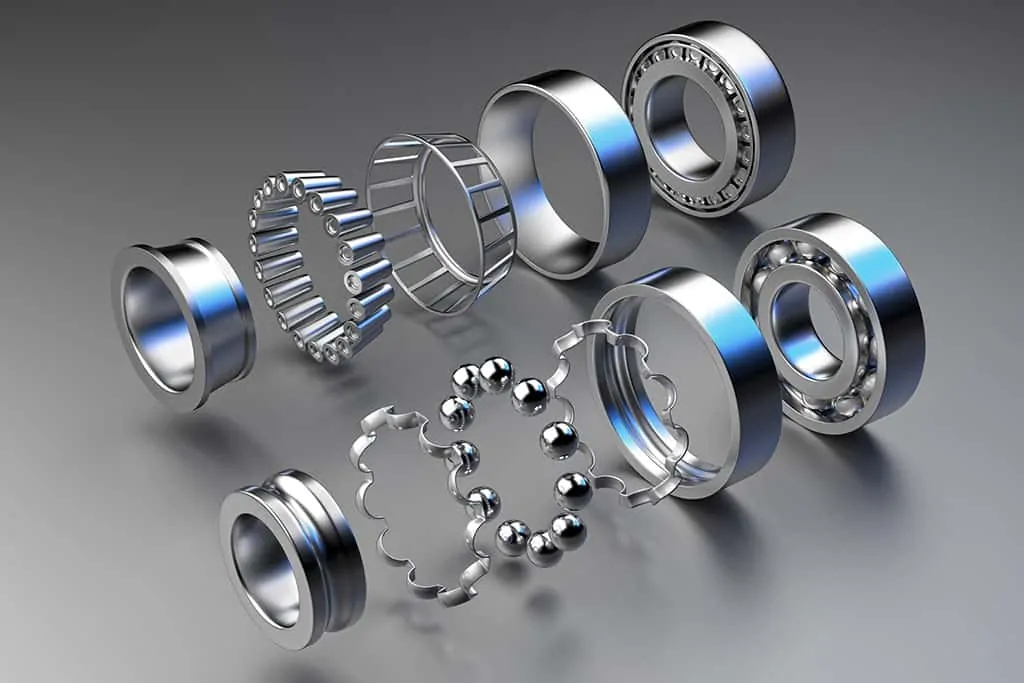
Older domestic platforms (pre-2000s GM and Ford fronts, many Dodge and Chevy rear-wheel-drive trucks), serviceable European platforms (older BMW, Audi, Mercedes rear hubs, many VW front and rear), and a long list of pickup and SUV rear axles use a separate bearing that gets pressed in. The hub stays. The bearing is the part.

Common examples: Hydraulic press service on older domestic front and rear hubs, Serviceable European bearing replacement (older BMW, Audi, Mercedes, VW), Pickup and SUV rear-axle bearing service, Race and seal replacement on tapered-roller wheel bearings

Integrated hub-assembly replacement on modern platforms

Most cars built after the mid-2000s use a single integrated hub assembly. The bearing is pre-installed; the assembly bolts to the steering knuckle with three or four bolts; the wheel-speed sensor is built into the housing. The fix is the assembly, not the bearing. Pressing into an integrated hub damages the unit.

Common examples: Integrated hub-assembly replacement on modern front and rear wheels, Wheel-speed sensor handling on integrated hubs (sensor swap is part of the hub swap), Axle-nut re-torque to factory spec on hub-assembly platforms, Post-install ABS / wheel-speed scan and clear

ABS, wheel-speed, and traction-control diagnostics

A C0035, C0040, C0045, or C0050 family code can mean a failed sensor, a damaged tone ring, or a wiring fault. None of those automatically need a new bearing. Scan-tool diagnosis separates a sensor fault from a bearing fault in a few minutes.

Common examples: Opus scan tool ABS / wheel-speed code pull and live-data review, Wheel-speed sensor and harness diagnostics, Tone-ring inspection for damage that mimics a bearing fault, Traction-control and stability-control fault clear after wheel-end repair

Related wheel-end diagnostics

Wheel-end noise overlaps with CV joints, ball joints, tie rods, and tire cupping. The bearing diagnosis runs alongside the broader suspension and drivetrain check on the same lift visit when the symptom does not point cleanly at one part.

Common examples: CV joint diagnosis when the noise gets louder with steering load, Ball-joint and front-end check when the hum comes with a clunk over bumps, Tire rotation and cupping inspection when the hum may be tire noise, Wheel-end play inspection

Symptom-to-cause map for wheel-end noise

Four wheel-end symptoms get blamed on bearings every week. Three of them are something else. The map below covers the most common confusions and what the right diagnostic move looks like.

Hum that gets louder when turning

Can be a bearing or a failing outer CV joint. A CV joint clicks under steering load and on some platforms the click smooths into a low growl that mimics a bearing exactly. Listen for the click first at full lock left and right in a parking lot. Bearing growls; CV joint clicks then growls.

Low rumble that goes away after a tire rotation

Tire cupping creates a low hum that rises and falls with speed exactly the way a bearing does. Rotate the tires front-to-rear first. If the hum moves to the rear axle with the tires, the bearings were fine. The tires were the source.

Clunk over bumps plus the hum

A worn ball joint or tie rod end is in the system. Replacing the bearing without addressing the joint that is loading it incorrectly will fail the new bearing inside a year. Full suspension check goes with the bearing diagnosis on the same lift visit.

ABS or traction light with no wheel-end noise

Modern hub units carry the wheel-speed sensor inside the bearing assembly. A C0035, C0040, C0045, or C0050 code can be a failed sensor, a damaged tone ring, or a wiring fault. A chain shop without a scan tool will sometimes condemn the bearing on a code that the sensor itself caused.

Loaded side identified by the left-vs-right turn test

Turn left, weight transfers right. If the growl gets louder turning left, the right side is the bad side. The opposite if the growl gets louder turning right. Same in both directions usually means the noise is not a bearing.

Grinding or roughness through the spindle by hand

On the lift with the wheel off, a good bearing turns silently when the hub gets spun by hand. A bad bearing grates, clicks, or feels rough through the spindle. The hand-spin check is the highest-confidence bearing confirmation move.

Play at twelve and six on the wheel

Movement at twelve-six can be a bearing or a ball joint. A hand on the lower control arm while the wheel gets rocked separates the two. NJ State Inspection counts measurable play at twelve-six as a wheel-end failure and starts the 30-day correction window.

Noise worse the longer the car is driven

Heat accelerates a failing bearing. A growl that is faint cold and obvious after a 20-minute drive is on the way out. Heat-cycled failure also damages the tone ring, which can produce an intermittent ABS code days before the bearing itself becomes unsafe to drive on.

A hub-assembly swap fixes a bearing problem. A wheel-end confirmation finds whether a bearing is actually the problem. The estimate is written after the confirmation, not before.

Wheel bearing replacement for Mays Landing and Atlantic County drivers

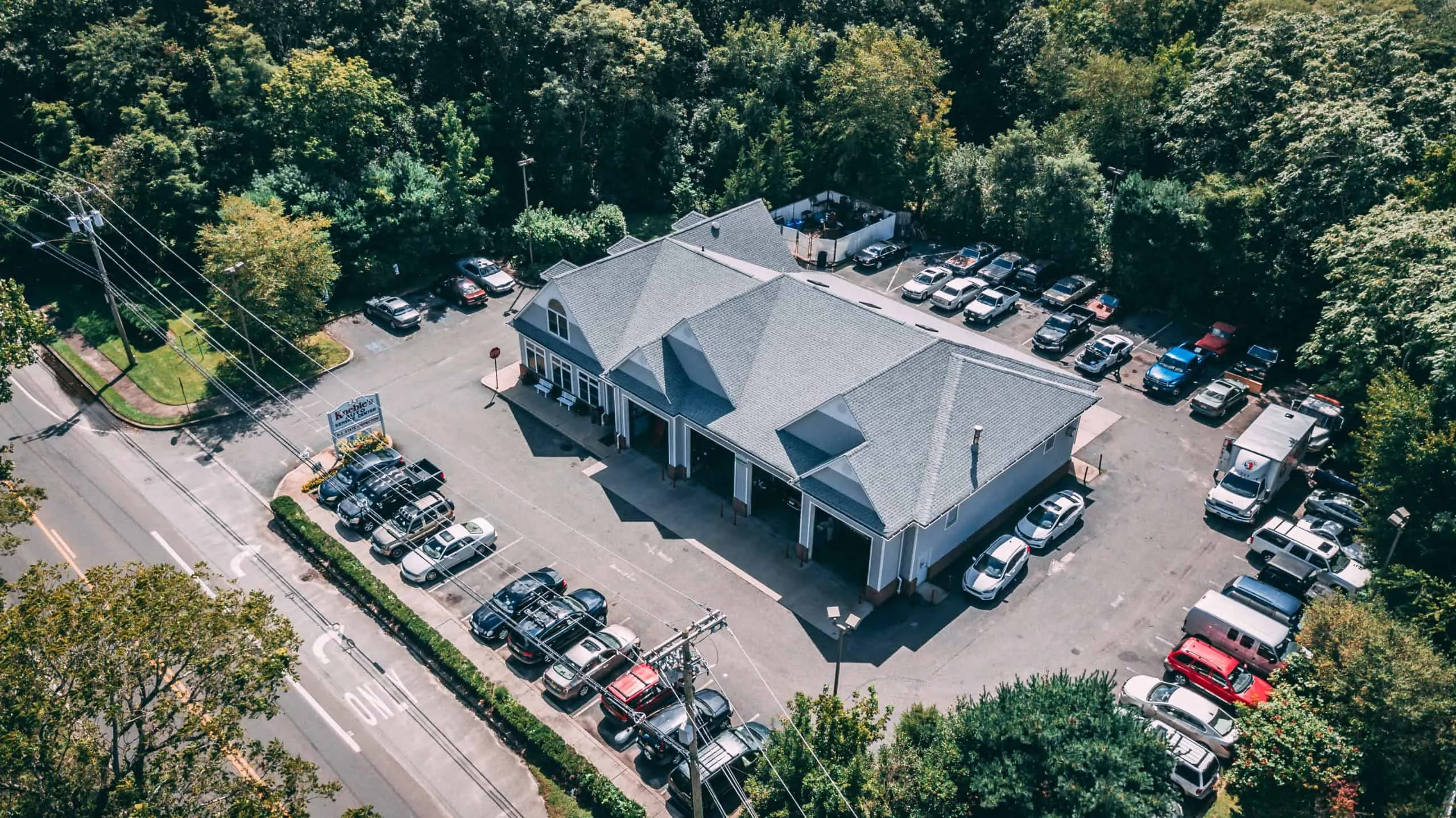
Kneble's Auto Service Center has been on Somers Point Road in Mays Landing since 1981. Service area covers Mays Landing, Hamilton Township, Egg Harbor Township, Northfield, Somers Point, Folsom, Buena Vista, and the rest of Atlantic County. Shore-route commuters from Ocean City, Margate, and Somers Point are hard on wheel bearings because of bridge expansion joints and salt spray that accelerates seal-edge corrosion on the bearing housing. Inland commuters who run pothole-heavy stretches of the Black Horse Pike, Route 40, and county roads side-load the bearings hard. Either route, the shop has seen the failure pattern before and stocks both press-service bearings and the most common hub assemblies for platforms in the county.

Helpful details to mention

  • Humming or growling that gets louder with road speed or under cornering load
  • Wheel feels loose at the 12 and 6 positions when you grab it and rock it back
  • ABS or stability control warning light on the dash after a wheel-speed code

Customer proof

Service was performed quickly and the Kneble Team provided great communication throughout the visit.
Robert Orzechowski, Google review

Questions before scheduling?

Talk with us about Wheel Bearing Replacement

Tell us what you drive, what you are noticing, and when you would like to come in. We will help you choose the right next step.

Service guide

Wheel Bearing Replacement Service Guide

Use this guide to review service factors, related videos, local driving conditions, and questions to ask before scheduling service.

01 of 05, Why a

Why a chain shop quote often misses the actual problem

A bearing quote at a chain shop usually follows the same script: hear the customer describe a hum, raise the car on the lift, grab the wheel at twelve and six, feel for play, and write up a hub assembly. That script catches the obvious failures. It misses everything that sounds like a bearing but is not one.

Read more about Why a chain shop quote often misses the actual problem

Four wheel-end symptoms get blamed on bearings every week. Three of them are something else. A noise-source confirmation on the lift takes 15 to 30 minutes and is the cheapest insurance against paying for a hub assembly that was never going to fix the problem.

Noise that gets louder when turning is not always the bearing

It can be a CV joint. A failing outer CV joint clicks under steering load, and on some platforms the click smooths into a low growl that mimics a bearing exactly. Listen for the click first at full lock left and right in a parking lot. A bearing growls. A CV joint clicks then growls. The fix overlaps with CV axle and CV joint repair, but the part on the bill is different.

A low rumble that goes away after a tire rotation

Tire cupping creates a low hum that rises and falls with speed exactly the way a bearing does. The driver brings the car in, the chain shop quotes a bearing, and the noise is still there after the hub is replaced. The right move is to rotate the tires front-to-rear first. If the hum moves to the rear axle with the tires, the bearings were fine. The tires were the source.

Clunk over bumps plus the hum

If the wheel-end noise comes with a clunk over expansion joints, a worn ball joint or a tie rod end is in the system. Replacing the bearing without addressing the joint that is loading it incorrectly will fail the new bearing inside a year. A full suspension system check goes with the bearing diagnosis on the same lift visit.

ABS or traction light with no wheel-end noise

Modern hub units carry the wheel-speed sensor inside the bearing assembly. A C0035, C0040, C0045, or C0050 family code can mean a failed sensor, a damaged tone ring, or a wiring fault, and none of those need a new bearing. ASE-certified diagnosis with a scan tool separates a sensor fault from a bearing fault in a few minutes.

Back to guide topics

02 of 05, The wheel-end

The wheel-end confirmation check (before any quote)

A bearing job at the shop runs through the same four diagnostic moves before a quote goes out. The moves are not exotic. They are the steps that separate "the noise was a bearing" from "the noise was something else." A complimentary vehicle inspection rolls the wheel-end check into the broader visit when the car is already on the lift for other work.

Read more about The wheel-end confirmation check (before any quote)

The left-vs-right turn test

A failing wheel bearing carries more load when the vehicle turns AWAY from the bad side. Turn the steering wheel left and the weight transfers to the RIGHT side of the car. If the growl gets louder turning left, the right side is the bad side. If the growl gets louder turning right, the left side is the bad side. If the growl is the same in both directions, the noise is probably not a bearing. This test runs first on every wheel-end visit because it costs zero parts and decides which corner gets the close look on the lift.

Rotate-by-hand and wheel-play on the lift

Up on the lift, the wheel comes off and the technician spins the hub by hand. A good bearing turns silently. A bad bearing grates, clicks, or feels rough through the spindle. Then the wheel goes back on and gets grabbed at twelve and six o'clock and rocked. Movement at twelve-six can be a bearing or a ball joint; the technician follows the play with a hand on the lower control arm to separate the two.

The ABS / wheel-speed-sensor scan

Modern integrated hubs carry the wheel-speed sensor inside the bearing housing. Pulling codes with the Opus scan tool scan tool resolves a critical question before any parts are quoted: is the code a sensor fault or a bearing fault. C0035 (left front), C0040 (right front), C0045 (left rear), and C0050 (right rear) are the common bearing-housing-sensor codes. Live data on the wheel-speed signal at low road speed shows whether the signal is dropping out (sensor) or distorted (bearing tone-ring damage). A sensor swap is a different repair than a bearing swap.

The road-test confirmation after a tire rotation

If the noise is borderline, a tire rotation goes first. The car comes back on the lift, the tires move front-to-rear, and the road test runs again. If the noise moved with the tires, the bearings were fine. This step costs nothing and rules out the most common misdiagnosis in the entire wheel-end category.

Back to guide topics
Not sure which symptom matters most?

Tell us what changed, when it started, and what you drive. We can help decide whether to start with an inspection, alignment check, or related repair.

03 of 05, Press service

Press service AND hub-assembly replacement

There are two ways to put a fresh bearing in a wheel end. On older domestic, European, and some truck platforms, the bearing is a separate part that gets pressed into and out of a hub. On modern integrated platforms, the bearing comes pre-installed inside a hub assembly that bolts on as a single unit. The right repair depends on what the platform was built for. A shop that only owns one of those two paths will push every car toward that path whether the platform asks for it or not.

Read more about Press service AND hub-assembly replacement

When the platform takes a press service

Older domestic platforms (pre-2000s GM and Ford fronts; many Dodge and Chevy rear-wheel-drive trucks), serviceable European platforms (older BMW, Audi, Mercedes rear hubs; many VW front and rear), and a long list of pickup and SUV rear axles use a separate bearing that gets pressed in. The hub stays. The bearing is the part. A hydraulic press in the bay handles the swap. The shop kept the press on the floor through the transition to integrated hubs because the older platforms never went away.

When the platform takes a hub assembly

Most cars built after the mid-2000s use a single integrated hub assembly. The bearing is pre-installed; the assembly bolts to the steering knuckle with three or four bolts; the wheel-speed sensor is built into the housing. The fix is the assembly, not the bearing. Pressing into an integrated hub damages the unit. The bench-side question on every wheel-end job is which path the VIN was built for, and the answer goes on the estimate.

ABS / wheel-speed-sensor handling on integrated hubs

The wheel-speed sensor on an integrated hub uses a tone ring built into the bearing seal. Swapping the hub is also swapping the sensor and the tone ring. The connector comes off, the bracket comes loose, and the new assembly bolts up with the sensor harness intact. Codes get cleared on the scan tool and the wheel-speed signal gets verified on the road test before the car comes back to the customer.

Wheel-end play: a safety item, not an inspection item

Wheel-end play is not on the NJ State Inspection checklist; the state check is OBD-II emissions only, with no suspension or safety line-item check. That does not make loose wheel-end play safe to drive on: measurable play at twelve-six on the wheel is a real steering and control hazard on its own merits. Booking the bearing fix as soon as the play shows up beats waiting for it to get worse.

Back to guide topics

04 of 05, Brand-specific wheel-bearing

Brand-specific wheel-bearing patterns: Subaru, Honda, BMW, Ford F-150 4WD

Read more about Brand-specific wheel-bearing patterns: Subaru, Honda, BMW, Ford F-150 4WD

Subaru rear wheel bearings

Outback, Forester, and Impreza rear wheel bearings have a known early-failure pattern. We see them showing up at 80,000 to 120,000 miles on AWD platforms where the rear bearings carry more load than non-AWD. The hum is usually loudest on the side opposite the turn (the loaded side).

Honda Civic, CR-V, Pilot front bearings

Honda issued service campaigns on front wheel bearings for certain Civic, CR-V, and Pilot platforms. We verify VIN coverage before quoting any work; if the campaign applies, the dealer does the replacement under that program. Out of campaign, the bearing is a routine sealed-hub replacement.

BMW E and F chassis hub bearings

BMW 3-Series, 5-Series, and X-platform hub bearings on E-chassis (1998-2013) and F-chassis (2011-2019) wear in a predictable pattern past 90,000 miles. The replacement is a complete hub assembly with the ABS sensor integrated; we register the new hub with the BMW protocol scan after the install so the DSC and ABS modules accept the new sensor signature.

Ford F-150 4WD IWE noise (not a bearing)

F-150 4WD trucks have an Integrated Wheel End (IWE) actuator that engages and disengages the front hubs for 4WD. When the IWE leaks vacuum or sticks partially engaged, the symptom sounds exactly like a wheel-bearing hum and disappears when the truck is in 4WD. We confirm with a vacuum gauge on the IWE solenoid before quoting any bearing work; the fix is the IWE, not the bearing.

Back to guide topics
Want this checked on your vehicle?

Tell us the year, make, model, and what you are noticing, and we will say what to check first.

05 of 05, Sealed assembly

Sealed assembly vs tapered cup-and-cone, and the torque-to-yield axle nut

Read more about Sealed assembly vs tapered cup-and-cone, and the torque-to-yield axle nut

Sealed wheel-bearing assemblies (modern)

Most vehicles built after roughly 2005 use a sealed, lubed-for-life integrated wheel-hub assembly. The bearing, the hub, the ABS sensor (on many platforms), and the wheel mounting flange come as one unit, and the unit is non-serviceable: when it fails, the entire assembly is replaced. The advantage is consistent service and no manual repack; the trade-off is that any single failure point in the assembly means replacing the whole thing.

Tapered cup-and-cone bearings (legacy and trucks)

Older vehicles, many trailers, and some current trucks still use a serviceable tapered roller bearing setup with separate inner and outer races, a grease cap, and a castle nut. These get cleaned, inspected, repacked with high-temperature grease, and adjusted to the proper preload. They cost less in parts and require more skill in adjustment.

Torque-to-yield axle nut spec

On front-wheel-drive and AWD platforms with a half-shaft passing through the hub, the axle nut is torque-to-yield: it is designed to stretch slightly at the manufacturer-specified torque and is not reusable. We replace the axle nut with a fresh OEM part on every bearing replacement and torque it to spec (typically 180 to 250 ft-lbs on modern platforms; we look it up per platform). Under-torque lets the bearing run loose; over-torque crushes the bearing. The factory spec is not optional.

Back to guide topics
Need help deciding what applies to your vehicle?

Call the shop or request an appointment and include the vehicle year, make, model, mileage, and symptoms.

Ask about your vehicle

FAQs

Wheel Bearing Replacement FAQs

How do I know if my wheel bearing is bad?

A failing wheel bearing usually produces a hum, growl, or roar that changes with road speed and gets louder when the vehicle turns one direction more than the other. On the lift, a hand-spin of the hub feels rough through the spindle, and the wheel rocks at twelve and six. Same noise in both turn directions usually means the source is tire cupping or a CV joint, not the bearing.

What is the difference between a serviceable bearing and a hub assembly?

On older domestic, European, and many truck platforms, the bearing is a separate part that gets pressed into and out of a hub on a hydraulic press. The hub stays; the bearing is the part. On modern integrated platforms (most cars built after the mid-2000s), the bearing comes pre-installed inside a hub assembly that bolts on as a single unit. The fix on those platforms is the assembly, not the bearing. The VIN decides which path.

Can I drive with a bad wheel bearing?

Short distances at low speed for a few days, yes. Highway speed or long drives, no. A heavily worn bearing can seize the wheel without much warning, which at highway speed means losing control of that corner. The growl gets worse with heat, so a bearing that is faint at the start of a drive and obvious after twenty minutes is on the way out.

Why did the chain-shop bearing job not fix the noise?

Because the noise was not a bearing. The most common culprits are cupped tires (rotation moves the noise to the other axle), failing outer CV joints (click first under steering load, then growl), and tone-ring damage that triggers an ABS code without producing actual bearing wear. A wheel-end confirmation before any quote separates a real bearing job from a misdiagnosed one.

Is the wheel-speed sensor part of the bearing?

On modern integrated hubs, yes. The wheel-speed sensor sits inside the bearing housing and reads a tone ring built into the bearing seal. Swapping the hub assembly is also swapping the sensor and the tone ring. On older serviceable platforms, the sensor is a separate part that bolts to the knuckle and reads a tone ring on the axle or the hub face.

Are wheel bearings covered under powertrain warranty?

Most factory powertrain warranties cover the engine, the transmission, the drive axles, and a short list of internal driveline components. Wheel bearings usually are not on that list; they are classified as wear items and fall under the shorter basic warranty (typically three years or 36,000 miles, expired on most cars by the time a bearing fails). The exception is extended powertrain or certified-pre-owned coverage that explicitly names wheel-end components. Check the warranty booklet for the specific vehicle.

How long does a wheel bearing replacement take?

On a modern integrated hub, most platforms run one to two hours per corner including the post-install scan and clear. Press-service jobs on older domestic and European platforms run longer because the bearing has to come out of the hub on the press and the new race has to seat correctly. Trucks with sealed front hubs and four-wheel drive front axles are usually longer still. The estimate names the expected labor time for the specific VIN.

How long do wheel bearings last?

On a typical sedan or crossover driven through normal road conditions, sealed wheel-bearing assemblies last 100,000 to 150,000 miles. AWD platforms wear rear bearings faster than non-AWD because the rear bearings see drive torque, so plan on 80,000 to 120,000 miles for the rear hubs on AWD Subaru, Audi quattro, and similar platforms. Salt-air exposure on shore commutes and pothole impact on the Black Horse Pike and Route 40 shortens that range; we see early failures on cars that summer at the shore.

Can a bad wheel bearing cause a wobble or steering pull?

Yes, in late-stage failure. Early-stage bearing wear is a hum that changes with vehicle speed and shifts side-to-side when the steering loads change. Late-stage failure can let the wheel develop play, which shows up as a wobble at highway speed and steering pull. By the time a bearing causes a wobble it is already loose enough that continued driving risks the wheel separating from the hub. The earlier hum is the warning shot worth listening to.

Do I need an alignment after a wheel-bearing replacement?

Usually not. A standard wheel-bearing or hub-assembly replacement does not disturb the toe, camber, or caster settings, so the alignment stays put. The exception is when the replacement required removing a tie rod end, a control arm, or a knuckle, which is rare for a routine bearing job. We tell you on the estimate whether the job your vehicle needs is in the alignment-required category or the alignment-not-required category before we start.

Further information

Learn more about Wheel Bearing Replacement

Use these related articles and videos to compare symptoms, maintenance timing, warning signs, and questions to ask before scheduling service.

Local shop

Visit Kneble's in Mays Landing

5473 Somers Point Road, Mays Landing, NJ 08330

Kneble's Auto Service Center is located at 5473 Somers Point Road, Mays Landing, NJ 08330 and serves drivers throughout Atlantic County and South Jersey.

  • Mon to Fri 8am to 5pm
  • Saturday 8am to 4pm
  • Sunday Closed

Reviews

Trusted by South Jersey drivers

Customers come to Kneble's for clear communication, practical recommendations, and repairs handled by a local team they can reach directly.

4.8 Google rating
351 Google reviews

Friendly receptionist. In and out within 45 mins.

Janet Jackson, Google review

Service was performed quickly and the Kneble Team provided great communication throughout the visit.

Robert Orzechowski, Google review

Excellent quick service by personable staff and very qualified techs at a reasonable charge.

Glenn Peterson, Google review

Very good service here. Treated us very well. Great conversation with Carmen.

Gary Mazzone, Google review

Ready When You Are

Call us or schedule online. Appointments recommended.

Schedule wheel bearing service