
Table of Contents
How long has it been since your last oil change? Did you know that frequent oil changes could add years to the life of your car? Learn about how the local oil change experts at Kneble’s can serve you!
Oil is the lifeblood of your engine and keeps all of the internal moving parts lubricated, which in turn helps keep the engine temperature down. Over time, environmental elements and debris from the wear of the engine’s metallic parts collect in the oil requiring it to be changed periodically.
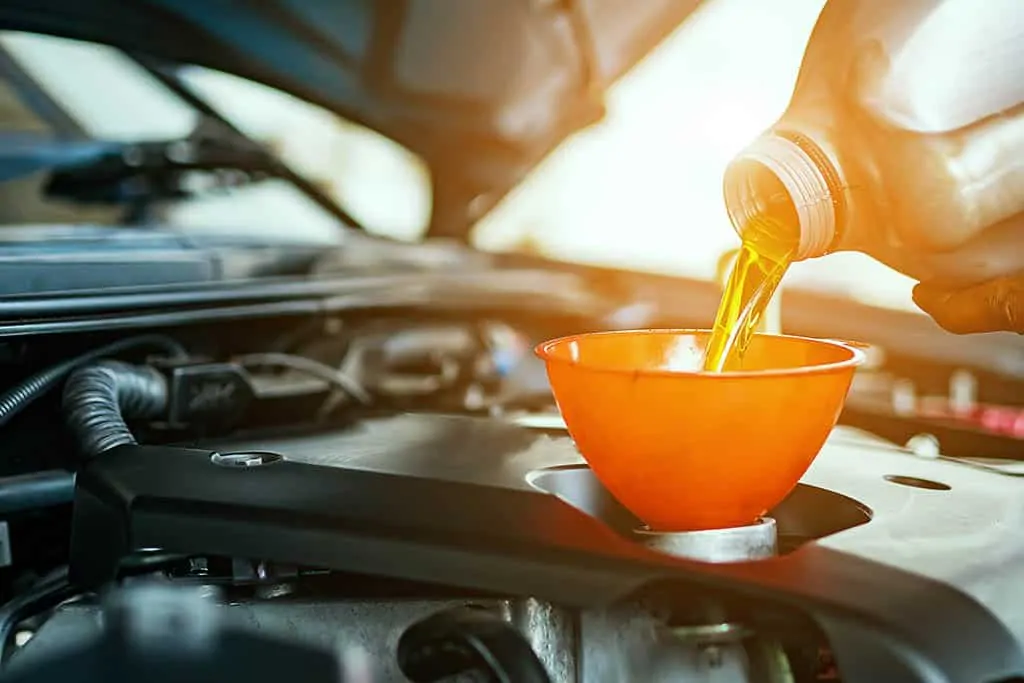
Failing to change your oil regularly can result in sludge buildup in your engine, which will ultimately hinder oil flow within the engine and shorten the engine’s life. This can lead to premature engine failure, which is costly to repair.
Read below to learn more about how the team at Kneble’s can perform this valuable service for you.
What Is Included In An Oil Change?
During the oil change, one of our technicians will perform the following:
- Drain your engine oil
- Replace your oil filter
- Lubricate any moving parts (where applicable)
- Refill the engine with oil (based on your manufacturer’s specifications)
- Top off all fluids
- Perform a 30 point safety inspection
- Check and adjust tire pressure
- Check and test vehicle battery
Once your car is in the service bay, the complete oil change and inspection process should take approximately an hour.
Ready to Make An Appointment For Your Oil Change?
At Kneble’s Auto Service Center we always want to make the process of getting your oil changed as convenient as possible. To ensure that we can get your car in and service in a timely manner, we ask that you make an appointment for your oil change.
We are able to accommodate those who desire to wait for their oil change as we feature a comfortable waiting area complete with TV, complimentary refreshments, a library, desk, and a charging station. And yes, we even have free Wi-Fi!
If you would prefer, we can have our shuttle driver drop you off at home or work within a 10-mile radius of our shop (Linwood, Ocean City, Ventnor, Atlantic City, and surrounding areas).
If you need an oil change and have not made an appointment you can always feel free to call us at (609) 625-3286 to get on the schedule.
Frequently Asked Questions About Our Oil Change Service
In days past, your local mechanic likely recommended changing your oil every 3 months or 3,000 miles. As oil and engineering technology has progressed, cars can go longer between oil changes without risking damage to the engine. Each manufacturer will have a specific recommendation so we advise that you consult your owner’s manual. If you do not have an owner’s manual, you can use 5,000 miles or 6 months as a good rule of thumb. Additionally, many cars are equipped with a service light that will come on when an oil change is required.
Your manufacturer may recommend synthetic oil depending on several factors. Newer cars are requiring synthetic oil and often high-performance cars require it as well.
Synthetic oil is about twice as costly as conventional oil, however, it only needs to be replaced every 7,000 to 10,000 miles, so you won’t be changing it quite as often. Some customers prefer synthetic oil due to additional benefits such as:
– Reduced friction over conventional oil
– Better for the environment as it produces fewer emissions
– Functions better in cold weather
Check your owner manual to see what type of oil they recommend, or discuss the topic with your service advisor.
Under normal circumstances, your car should maintain it’s oil level, however, leaks can occur and engine damage can cause your car to consume oil between oil changes. We recommend checking your oil at least once per month using the dipstick while ensuring your car is on a level surface. If you find the oil level is dropping between oil changes, please add the appropriate amount of oil by adding one quart at a time and rechecking, then make an appointment for us to check out your vehicle.
What happens if you skip oil changes
It’s easy to push an oil change down your to-do list, but the consequences add up fast. Oil breaks down over time. Once it does, it stops doing the three things your engine needs: lubrication, heat removal, and debris suspension.
Here’s what happens when old oil stays in the engine too long:
Sludge buildup. Dirty oil thickens into sludge that clogs oil passages and starves the engine of lubrication. Once sludge forms, a simple oil change won’t fix it. The engine may need a professional flush or, in severe cases, internal cleaning.
Increased friction and wear. Without clean oil, metal parts grind against each other. Bearings, camshafts, and piston rings wear down faster than they should. This kind of damage shortens the engine’s life by years.
Poor fuel economy. A sludged-up engine has to work harder to do the same job. That extra effort burns more fuel. If your gas mileage has dropped and nothing else has changed, overdue oil is a likely cause.
Overheating. Oil helps move heat away from the combustion chamber. When it loses viscosity from age and contamination, it can’t do that effectively. An overheating engine can warp heads, blow gaskets, or seize entirely. If you’re seeing temperature warnings, a coolant flush is worth checking alongside your oil.
None of these problems happen overnight, but all of them are preventable with regular oil changes. Check your owner’s manual for the manufacturer’s recommended interval, or use 5,000 miles as a safe starting point. If you’re checking your oil level monthly and it looks dark and gritty, don’t wait for the mileage to come due.
Read the full video transcript
Oil changes are so important. Now you’ve heard this so much from myself and others. You know there’s tons of discounts out there. But why does my vehicle need an oil change? Well, you’re probably thinking that. You’re probably saying, “Is it really that important, or can I put it off because I have so many more things to do on my to-do list?” Well, simply put, no. Do not put off that oil change.
Hi, I’m Nancy at Kneble’s Auto Service Center. Get your oil change, if it’s due, according to the miles on your vehicle and what’s recommended by the manufacturer. Consider the oil in your vehicle like the blood in your body. Your blood pressure, well, that needs to be maintained at a safe level, as does the oil in your vehicle, needs to be clean and at a proper pressure to operate the engine.
Lubrication: well, your engine is designed with many metal moving parts. Hence, they need lubricating. Without the proper lubrication, these metal parts start to grind, and they’re going to wear down. It’s important for your engine parts to be well lubricated for optimum performance and longevity.
One word: “sludge.” Over time, that oil gets dirty, and that turns into sludge. This thick gunky substance, well, that’s going to slow down the movement of the engine parts. That oil sludge can clog passages, reducing the flow of the oil, which can ultimately damage your vehicle.
Life expectancy. Now you can extend the life of the engine by keeping it lubricated with fresh oil. If your engine parts start to wear down and break from not being properly lubricated, then you can be taking years off the life of your vehicle.
Fuel mileage. Now when there’s debris in the oil, the engine has to work harder. By the engine working harder, well, it takes fuel to do that, thus causing you to get poor fuel efficiency.
Performance. That dirty sludge for oil, well, that will not be able to remove the heat from the engine, causing parts to warp or the engine to possibly overheat. If the oil in your engine loses the appropriate viscosity because it’s dirty and does not flow smoothly, then your engine will not perform at its best. Clean oil, well, that’s the key component to a smooth-running machine.
Can the wrong oil damage your engine?
Yes, it can. Oil is identified by viscosity, a number like 0W-40 or 5W-20. The number before the W tells you how the oil flows in cold temperatures (lower is thinner, better for winter). The number after the W is the oil’s thickness at operating temperature. Manufacturers engineer each engine around a specific viscosity for a reason.
Putting in the wrong weight oil can cause several problems:
Oil leaks. Oil that’s too thin for your engine may seep past seals and gaskets that were designed for a thicker weight.
Reduced fuel economy. Oil that’s too thick makes the engine work harder to push it through the system.
Engine noise. The wrong viscosity won’t form the right film between moving parts, and you’ll hear it.
Hard starts in extreme weather. Oil that’s too thick in winter can make it difficult for the engine to turn over.
Overfilling is another common mistake. Too much oil creates excess pressure inside the crankcase, which can blow seals and push oil into places it doesn’t belong. When adding oil yourself, go one quart at a time and recheck the dipstick on level ground. If you’re adding more than a quart between changes, that’s a sign the engine is burning or leaking oil and needs attention.
Not sure which oil your car takes? Check the oil cap or your owner’s manual. If you want to understand the differences between motor oils, Nancy covers it in detail.
Read the full video transcript
Oh, no. Did you accidentally put the wrong type of oil in your vehicle? Are you thinking you did irreparable damage to your vehicle? Before adding oil to your vehicle, always check the owner’s manual or the oil cap to know which weight oil to use.
Hi, I’m Nancy at Kneble’s Auto Service Center. That’s understandable to hear that you mixed up the bottles. We get it. There are all different types, which is why you should check out my many different videos, such as The Purpose of An Oil Change and The Frequency of Oil Changes, just to name a few.
Since oil is identified by viscosity, what type your vehicle takes, such as 0W-40 or 5W-20? The number zero before the W determines how thin it is in the winter temperature. The lower the number, the better it performs in the colder temperatures. The number 40 after the W determines the oil performance at higher temperatures. The lower that number is, the thinner the oil. Manufacturers design the engine for a certain viscosity oil to get the best performance.
We recommend always put the type of oil recommended by the manufacturer. Being oil is the lifeline of your engine like blood is to us, don’t fail your vehicle by not giving it an oil change.
Oil has many functions such as keeping the engine lubricated to prevent friction. It helps keep heat away from the engine. It also keeps the dirt and debris from building up in the engine.
As your vehicle ages, it’s not uncommon for your engine to burn oil. So, it’s important to make sure your oil is always at the correct level. This may mean you have to add oil. You can always stop here at Kneble’s Auto Service Center, located at 5473 Somers Point Road in Mays Landing, NJ, for us to check your oil level and add it if needed.
If you’re doing it yourself, make sure you’re adding the proper oil and the correct amount. You don’t want to overfill your oil and you don’t want to add the wrong weight oil. For me, I’d rather have the experts do it.
Overfilling the oil can cause damage to the engine. The extra oil can put pressure in the engine, causing possible leaks through seals and gaskets, as it’s looking for a way to escape. Also, too much oil can become a different viscosity and not lubricate the engine properly.
By putting in the wrong weight oil, several problems may occur. Quite possibly, you can develop oil leaks. Your mileage may decrease, because the engine may not move it as easily as it’s designed, causing it to work harder. And the engine may become noisier. In extreme temperatures, your vehicle may not even start.
Why does my oil smell burnt or run low?
If you’re smelling burning oil, seeing oil spots under the car, or noticing the level dropping between changes, a failing valve cover gasket is one of the most common causes. The valve cover gasket seals between the cylinder head and the valve cover. Its job is to keep oil inside and dirt outside.
Over time, valve cover gaskets (made from rubber, plastic, or cork) get brittle, crack, and lose their seal. When that happens, oil can leak externally onto hot engine components (that’s the burning smell) or internally into the spark plug chambers, which causes misfires.
Signs of a failing valve cover gasket:
- Burning oil smell, especially after driving
- Visible oil leaking from the top of the engine
- Oil level dropping between changes
- Engine misfires or rough idle
If you’re topping off oil regularly, the gasket may be the source. Have a technician diagnose it before the leak gets worse or damages other components. It’s a straightforward repair and much cheaper than dealing with the secondary problems it causes.
For more on your vehicle’s oil life and what normal consumption looks like, Nancy breaks it down in the video series.
Read the full video transcript
Do you smell oil burning, noticed oil leaking, noticed your oil is low or is your vehicle misfiring? Hi, I am Nancy at Kneble’s Auto Service Center. So, all these symptoms can possibly be related to one potential problem, a failing valve cover gasket. The valve cover gasket plays an important role in the vehicle. Its function is to seal between the cylinder head and the valve cover itself. And this keeps dirt and debris from getting into the cylinder head and prevent oil from leaking possible into the spark plug chambers causing a misfire.
Absolutely, over time the valve cover gasket which is made from plastic or cork can become cracked, pinched, brittle and worn out causing the integrity to be compromised. So, if you notice any of these symptoms of oil burning, leaking or capacity low or even misfiring, have your auto technician diagnose your vehicle’s problem. Thank you for watching.
Schedule an Appointment for Your Oil Change
Oil Change Knowledge Base
Oil Change Videos






Oil Change Articles
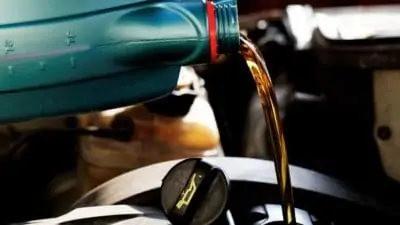
Are You Putting More than a Quart of Oil in Your Car Between Oil Changes?
Do you have to add more than a quart of motor oil between oil changes? Find out where it’s going and how to get it fixed here.
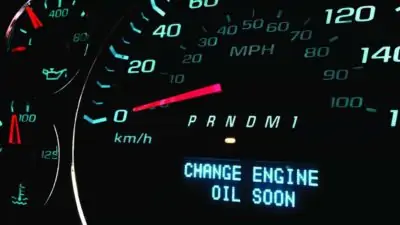
Why You Should Never Neglect Getting an Oil Change
Conventional, Fully Synthetic or a Synthetic Blend. Learn the truth about which oil is right for your car and how often should you change it!
Where to Get Your Vehicle’s Oil Changed?
Our Address
5473 Somers Point Road
Mays Landing, NJ 08330
Our Hours
Monday – Friday: 8:00am – 5:00pm
Saturday:
8:00am – 4:00pm
Sunday: Closed